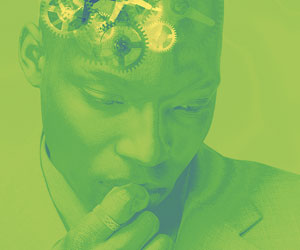
Hypnosis is not what most people think. Hypnosis has been accepted by the American Medical Association as a useful medical tool and it can be an appropriate intervention in many areas of physical and emotional distress. Hypnosis is a well-researched intervention.
Hypnosis is a temporary condition of attuned attention or focus which may be considered as an altered state of consciousness. Through relaxation and imagery, the conscious mind becomes more peaceful and focused on whatever issue is presented. Everyone has experienced these phenomena to a degree. When you relax and let tension go, your mind becomes uncluttered by the thousands of distractions which we deal with on a daily basis.
You cannot be made to do anything you don’t want to do with hypnosis. Some first-time hypnotic subjects will insist that ‘nothing happened’ during the induction because they did not become unconscious or slip into a deep trance state. This is a false attitude about the hypnotic state. Television, movies and stage hypnosis portraying a hypnosis subject in such a state are false. Real hypnosis requires none of the theatrics, and is nothing to be fearful of. You are not asleep, you are aware and you are in control with the help of a trained facilitator. As a member of the American Society of Clinical Hypnosis (ASCH), and a Doctor of Psychology, I have assisted numerous individuals with the technique.
Hypnosis can be a powerful tool and is useful in the following circumstances:
- cessation of smoking
- performance enhancement
- losing weight
- menopause
- ego strengthening
- stress reduction
- pain control
- childbirth
- phobias
- anxiety
- irritable bowel syndrome
- dentistry
- panic attacks
- agoraphobia
- premenstrual syndrome
- surgery preparation & healing
- healing the body
- cancer
|
|